Why Professional Roof Restorations Outperform Quick Fixes
When you spot a leak or see a few shingles out of place after a storm, the temptation to find a quick, cheap fix is understandable. A tube of sealant or a handful of new shingles seems like an easy solution. But for homeowners in Waukegan, where our roofs endure everything from heavy snow and ice dams to severe wind and hail damage, these temporary patches often hide deeper problems and lead to more significant expenses down the road. A quick fix is a band-aid on a problem that might need stitches.
This is where a professional roof restoration comes in. It’s a comprehensive approach that goes beyond the surface to address the root causes of wear and tear, extending the life of your roof and providing lasting protection. In this guide, we’ll explore the critical differences between a simple patch job and a true restoration, and why investing in the latter is one of the smartest decisions you can make for your home.
The Hidden Dangers of a "Quick Fix"
A quick fix is any repair that only addresses the most obvious symptom of a problem without a thorough investigation. This could be applying caulk to a cracked flashing, replacing a few blown-off shingles, or patching a small hole. While it might stop a drip for a little while, it rarely solves the underlying issue. The biggest risk is that it creates a false sense of security.
Here’s what’s often happening beneath that simple patch:
- Masking Deeper Issues: The leak you see could be the result of compromised underlayment, damaged flashing around a chimney, or widespread granule loss on your shingles. A simple patch ignores these systemic problems, allowing moisture to continue seeping into your roof deck, insulation, and attic, leading to wood rot and mold.
- Mismatched Materials: Using the wrong type of shingle or an incompatible sealant can cause more harm than good. This can lead to thermal expansion issues, creating new gaps and cracks and accelerating the deterioration of the surrounding materials.
- Voiding Warranties: Many roofing material warranties can be voided by improper repairs. A quick fix by an uncertified individual might save you a little money now but could cost you thousands in lost warranty coverage later.
- A Cycle of Costly Repairs: That small leak you patched this spring will likely be back by winter, and it might bring friends. Quick fixes often fail, leading to a frustrating and expensive cycle of repeated repairs until the damage becomes so severe that a premature and costly full replacement is the only option.
What a Professional Roof Restoration Involves
Unlike a superficial patch, a professional roof restoration is a systematic process designed to return your roof to its optimal condition, extending its service life for many years. It’s a middle ground between minor repairs and a full replacement, offering tremendous value when your roof's structure is still sound but its protective layers are showing age or weather-related wear.
A comprehensive restoration typically includes:
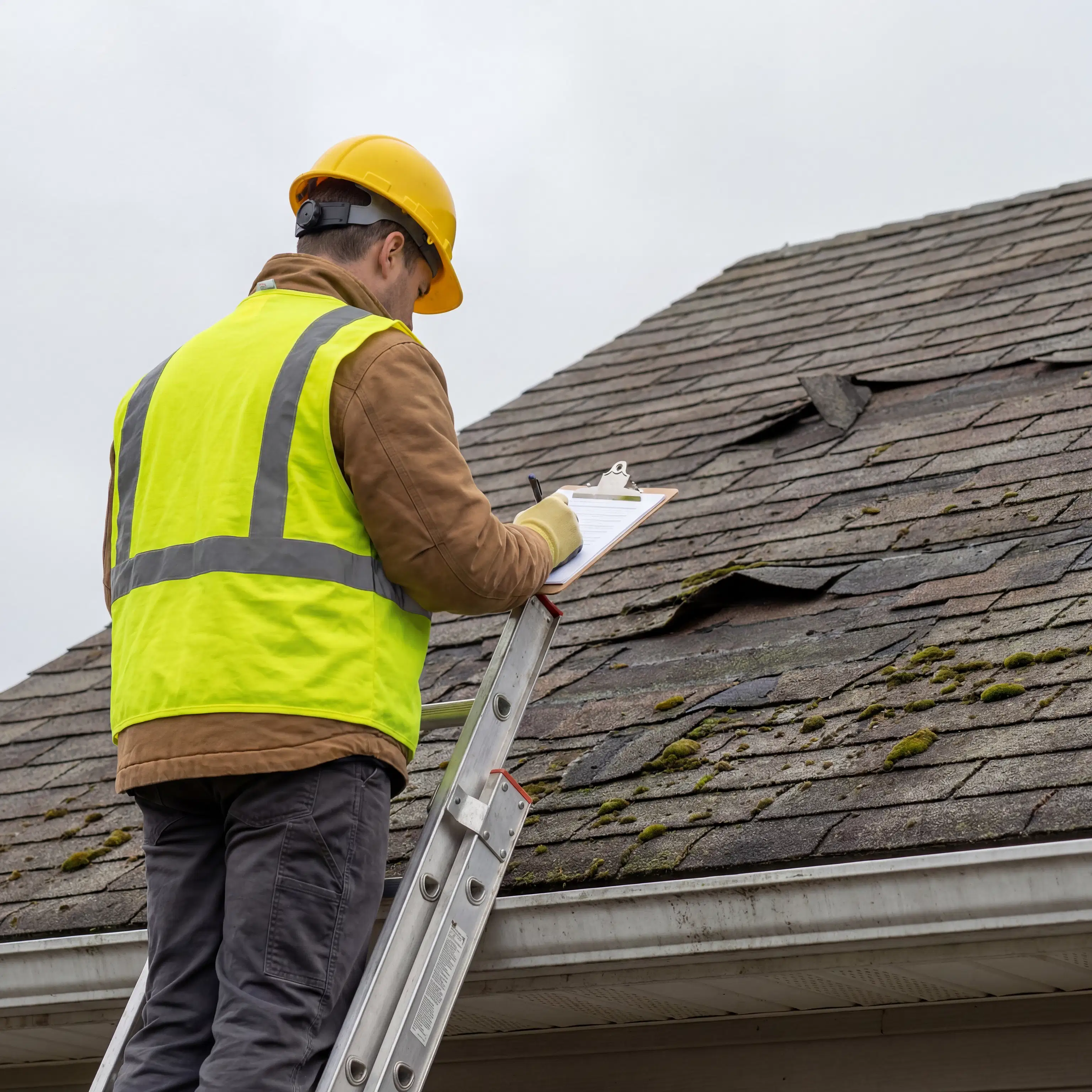
- A Thorough, High-Tech Inspection: The process begins with a detailed assessment to identify all problem areas, not just the obvious ones. We often use advanced technology like drones to get a precise, up-close look at every inch of your roof, ensuring we catch hidden damage, potential failure points, and areas of subtle deterioration.
- Intensive Cleaning: Over time, roofs accumulate algae, moss, and debris that can trap moisture against the surface, degrading shingles and causing rot. A professional cleaning removes this harmful buildup without damaging the roofing material itself.
- Systemic Repairs: This is the core of the restoration. It involves more than just patching. We perform targeted roofing repairs by replacing all broken or missing shingles, repairing or replacing compromised flashing around vents and chimneys, and addressing any issues with the underlying decking or underlayment.
- Application of Protective Coatings: Once the roof is clean and structurally sound, we can apply specialized coatings or sealants. These advanced products are designed to restore the protective qualities of your shingles, improve water resistance, reflect damaging UV rays, and inhibit future algae or moss growth. This final step essentially gives your roof a new, durable lease on life.
The Long-Term Value: Restoration vs. Replacement
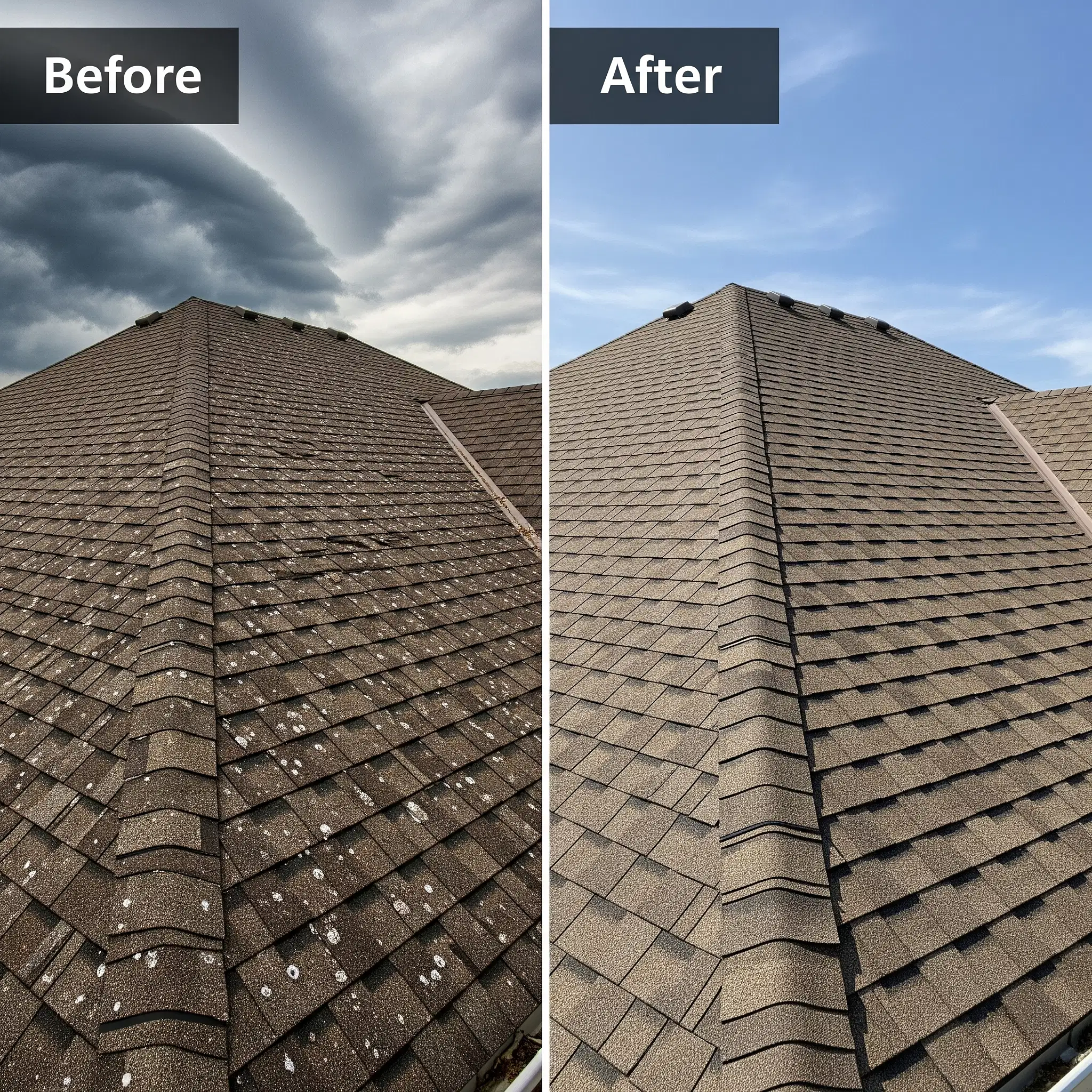
Choosing restoration is a strategic decision that prioritizes long-term value and peace of mind. While the upfront cost is more than a simple patch, the benefits far outweigh the initial investment, especially when compared to the high cost of a full roof replacement.
- Significant Cost Savings: A full restoration typically costs a fraction of a complete roof replacement. By addressing issues proactively, you can safely defer the expense of a new roof for many years.
- Extended Roof Lifespan: A properly executed restoration can add 5 to 15 years to the life of your asphalt shingle roof. This allows you to maximize the return on your original roofing investment.
- Enhanced Durability: By reinforcing your roof's defenses, a restoration makes it more resilient against the specific challenges we face in Lake County, from high winds off the lakefront to heavy snow loads and potential ice dams.
- Improved Energy Efficiency & Curb Appeal: A clean, restored roof with a reflective coating can help reduce heat absorption in the summer, potentially lowering your cooling costs. It also dramatically improves your home's curb appeal and can increase its market value.
- Sustainability: Restoring a roof is also an environmentally friendly choice. It keeps tons of old roofing materials out of landfills, reducing the environmental impact compared to a full tear-off and replacement.
Is Your Roof a Candidate for Restoration?
While restoration is a powerful tool, it’s not suitable for every roof. The best candidates are roofs that are structurally sound but are beginning to show signs of aging or moderate, widespread wear. If your roof is experiencing any of the following, a restoration could be the perfect solution:
- It's between 10-20 years old and showing its age.
- You're seeing widespread granule loss in your gutters.
- There are numerous cracked or curling shingles.
- You have recurring leaks in different spots.
- The roof looks faded, stained, or covered in algae.
However, if your roof is well past its expected lifespan, has severe structural damage like sagging, or has multiple layers of old shingles, a full replacement for your existing home or as part of a new construction project may be the safer and more effective option.
Protect Your Investment with a Professional Approach
Your roof is your home's first line of defense. Settling for a quick fix is a gamble that rarely pays off in the long run, especially in the demanding Chicagoland climate. A professional roof restoration is a strategic investment in your property's safety, value, and longevity.
Don't wait for a small problem to become a catastrophe. If your roof is showing signs of wear, contact the experts at David's Chain O'Lakes Roofing Corp. today. We’ll provide a thorough, honest assessment and a free estimate for our professional roof restoration, repair, and replacement services here in the Waukegan area.