
Your Essential Guide to Preventing Costly Ice Dams This Winter
The beauty of a Waukegan winter, with snow blanketing the trees and rooftops, is something we all appreciate. But for homeowners, that picturesque scene can hide a serious threat: ice dams. These thick ridges of ice that form along the eaves of your house are more than just an eyesore; they can cause significant water damage to your roof, attic, and even the interior of your home. Understanding what causes them is the first step toward preventing a costly headache when the spring thaw arrives.
At David's Chain O'Lakes Roofing Corp., we've seen firsthand the damage ice dams can inflict on local homes. This guide will walk you through why they form, how to spot the warning signs, and what you can do to protect your home for good.
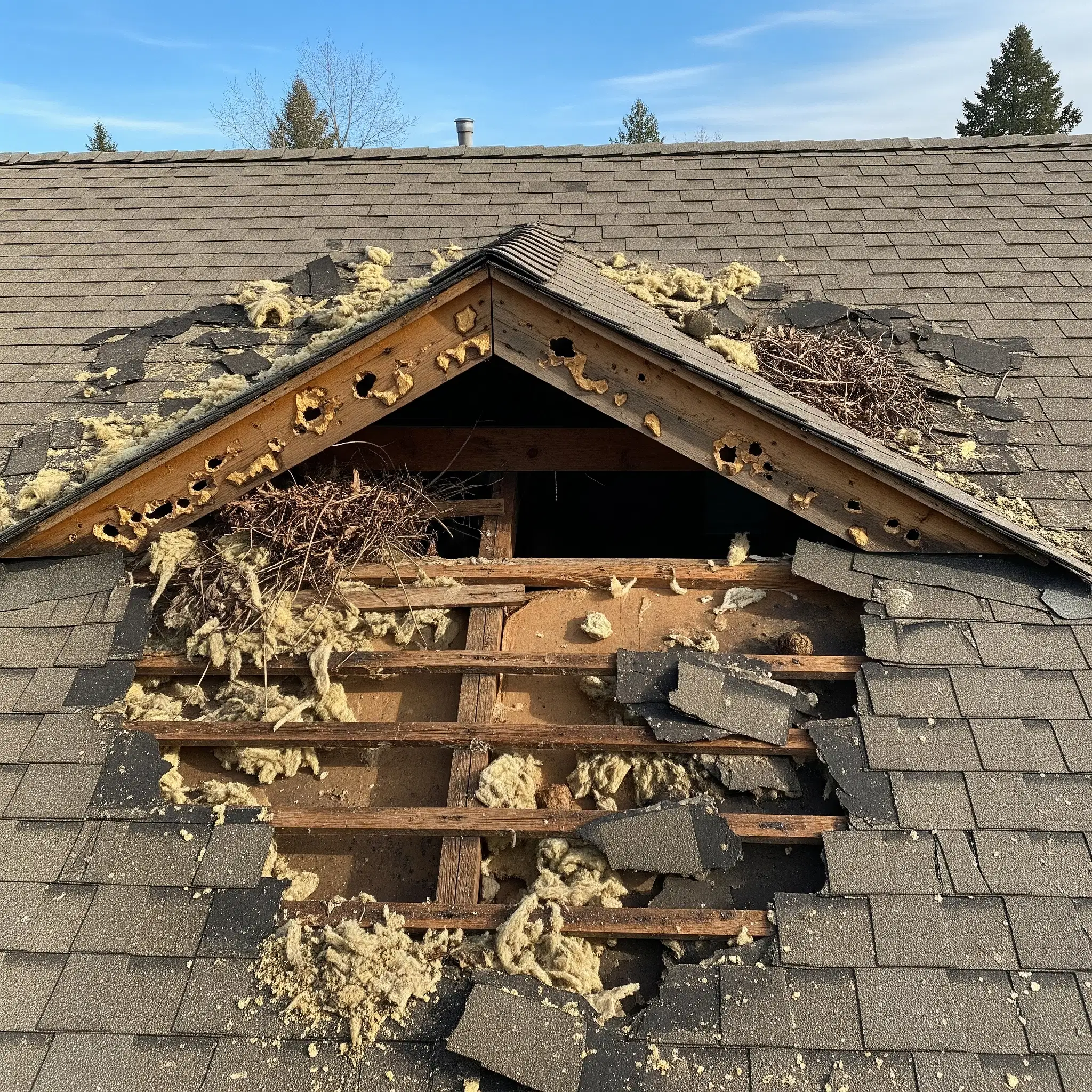
What Causes Ice Dams in the First Place?
Ice dams don't just appear out of nowhere. They are the result of a specific chain of events caused by uneven roof temperatures. Think of it as a battle between the warm air inside your attic and the freezing temperatures outside. When the warm air wins in the wrong places, an ice dam is born.
Here’s the simple formula for an ice dam:
- Heat Escapes: Warm air from your living space leaks into the attic, raising its temperature above freezing. This is often due to inadequate insulation or unsealed air leaks from light fixtures, bathroom fans, or attic hatches.
- Snow Melts: This warm attic heats the underside of your roof deck, melting the layer of snow on top, even when the outside air is well below 32°F.
- Water Refreezes: The melted snow (water) runs down your roof until it reaches the cold eaves and gutters, which are not heated by the attic. Here, it refreezes, creating a small dam.
As this cycle repeats, the dam grows larger, trapping more water behind it. This standing water has nowhere to go but under your shingles, where it can leak into your attic and cause rot, mold, and serious structural damage. The core of the problem isn't the snow or the ice—it's the heat loss from your home.
Telltale Signs of an Ice Dam Problem
Catching an ice dam issue early can save you from extensive repairs. Keep an eye out for these warning signs during the winter months, especially after a heavy snowfall:
- A Parade of Icicles: While a few small icicles can be normal, a large, dense collection of icicles forming along your gutters and eaves is a classic sign that water is freezing at the roof's edge.
- Visible Ice Buildup: You can often see the ridge of ice, or dam, at the edge of the roofline, sometimes growing up from the gutters.
- Water Stains Inside: Look for discoloration or water stains on your interior ceilings and walls, particularly along the exterior walls of your home. This is a major red flag that water has already penetrated your roof.
- Dampness in the Attic: If it's safe to do so, check your attic for damp or wet insulation, frost on the underside of the roof sheathing, or signs of water drips. This indicates a moisture problem that needs immediate attention.

Long-Term Solutions for Ice Dam Prevention
While temporary fixes exist, the only way to truly stop ice dams is to address the root causes: heat loss and poor ventilation. Investing in these long-term solutions not only protects your home but also improves energy efficiency, saving you money on utility bills.
1. Improve Attic Insulation
Proper insulation is your home's primary defense. It works by keeping the warm, conditioned air in your living space where it belongs. A well-insulated attic floor prevents this heat from rising and warming the roof deck. We can assess your current insulation levels and ensure they meet the recommended standards for our Lake County climate.
2. Ensure Proper Ventilation
A balanced ventilation system is crucial. It circulates cold outside air through your attic, keeping the roof deck consistently cold from eaves to peak. This is typically achieved with a system of soffit vents (at the bottom of the roof) and ridge vents (at the top). This airflow ensures that any snow on your roof melts evenly, rather than just in the middle.
3. Keep Your Gutters Clean
While not a primary cause, clogged gutters make the problem worse. Debris like leaves and twigs can block the flow of melting snow, giving it a place to pool and freeze, kickstarting the damming process. Regular gutter cleaning, especially in the late fall, is an essential piece of winter home maintenance.
What to Do If You Already Have an Ice Dam
If you're currently facing an ice dam, it's important to act carefully. Trying to break it up with a shovel, axe, or hammer can cause severe damage to your shingles. Likewise, using rock salt or chemical de-icers can corrode your gutters, nails, and flashing, and harm your landscaping.
The safest and most effective way to remove a large ice dam is with professional steaming equipment, which melts the ice without damaging your roof. However, remember that removal is just a temporary fix. Without addressing the underlying insulation and ventilation issues, the ice dam will return with the next snowfall.
If you suspect an ice dam has already caused a leak, it's critical to have a professional inspection. We can identify the extent of the damage and perform the necessary roofing repairs to protect your home's integrity. For more widespread issues, a full roof restoration might be needed to ensure long-term protection.
Protect Your Home This Winter
Ice dams are a clear sign that your roof system isn't functioning correctly. By taking a proactive approach and focusing on the long-term solutions of insulation, ventilation, and air sealing, you can prevent them from ever forming. This not only protects your home from water damage but also makes it more comfortable and energy-efficient year-round.
Don't wait for water stains to appear on your ceiling. If you're concerned about ice dams on your Waukegan home, contact the experts at David's Chain O'Lakes Roofing Corp. today. We provide comprehensive assessments and a range of services, from roofing repairs and restorations to gutter maintenance, to keep your home safe and dry all winter long. Schedule your free consultation and enjoy peace of mind this season.