
Your Guide to Preventing Costly Ice Dams This Winter
The beauty of a fresh blanket of snow in Waukegan is undeniable. But as winter settles in, a hidden threat can form along the edge of your roof: ice dams. These thick ridges of ice might look like a normal part of a Chicagoland winter, but they can cause serious and expensive damage to your roof, gutters, and even the inside of your home. The good news is that with a little proactive care, you can protect your property from the costly water damage that ice dams can cause. This guide will walk you through what causes them, how to spot them, and the most effective ways to prevent them from forming in the first place.
What Exactly Causes an Ice Dam?
Understanding how an ice dam forms is the first step toward preventing one. It’s a simple chain reaction that happens when there's a temperature imbalance on your roof's surface.
- Heat Escapes: Warm air from your living space rises and escapes into your attic. If the attic is poorly insulated or sealed, this heat warms the underside of your roof deck.
- Snow Melts: The snow on the upper, warmer parts of your roof melts and flows down toward the eaves.
- Water Refreezes: When the meltwater reaches the cold edge of your roof and gutters (which aren't warmed by attic heat), it refreezes. This process repeats, and layer by layer, a ridge of ice—an ice dam—is formed.
- Water Backs Up: The dam blocks subsequent meltwater from draining off the roof. With nowhere to go, this water pools behind the ice and can seep underneath your shingles, where it can leak into your attic, ceilings, and walls, causing rot, mold, and structural damage.
Essentially, an ice dam is a symptom of a larger problem: too much heat escaping into your attic.
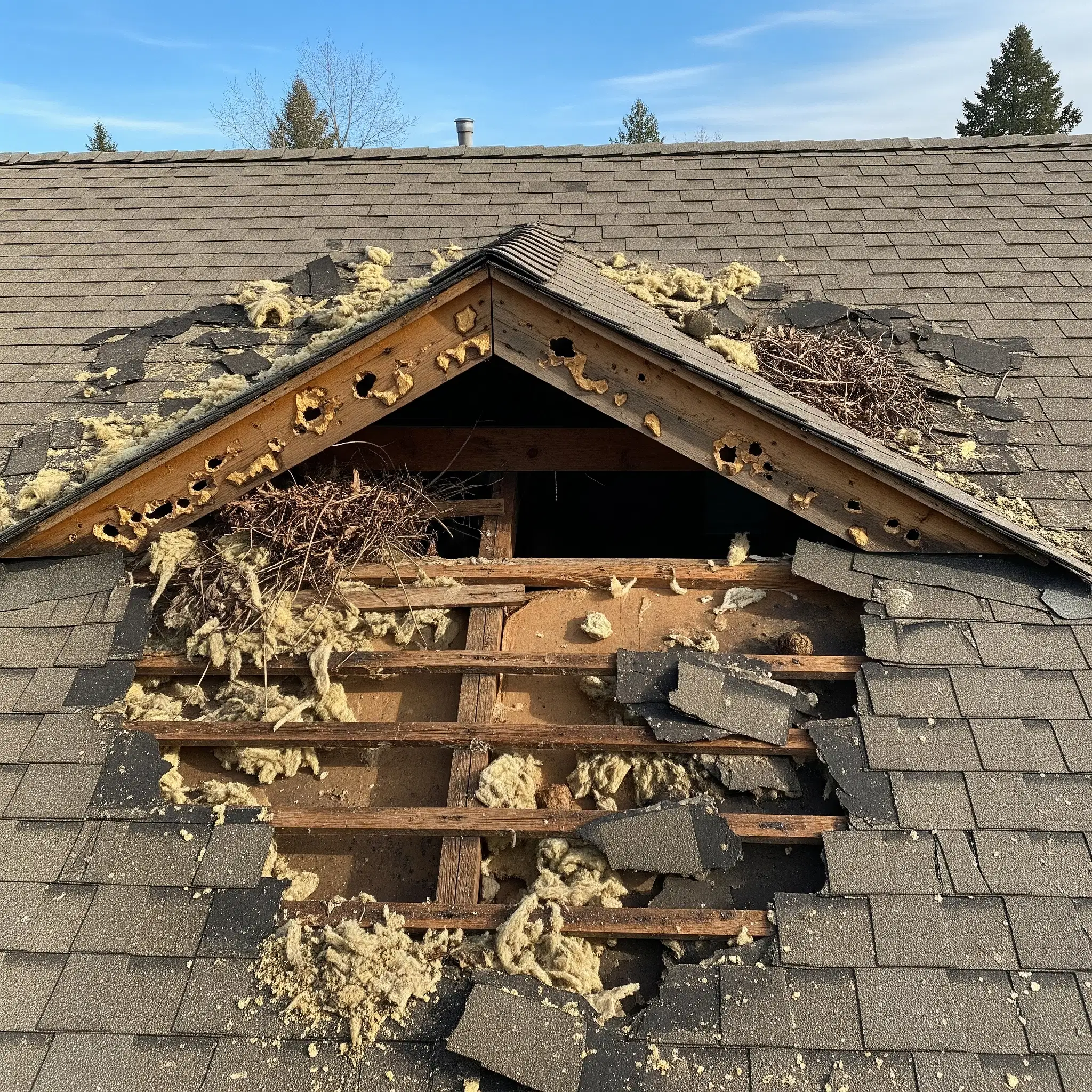
Key Steps for Ice Dam Prevention
While you can't control the weather, you can control the conditions in your attic that lead to ice dams. The long-term solution isn't about removing ice after it forms; it's about stopping it from forming at all. Here are the most effective strategies:
-
Improve Attic Insulation: The most critical step is to ensure your attic floor is thoroughly insulated. A thick, even layer of insulation acts as a barrier, keeping the warm air from your home where it belongs and maintaining a cold, consistent temperature in the attic. This prevents the roof deck from warming up and melting snow prematurely.
-
Ensure Proper Attic Ventilation: A well-ventilated attic allows cold outdoor air to circulate, keeping the roof deck uniformly cold. This is typically achieved with a balanced system of soffit vents (at the lower edge of the roof) and ridge vents (at the peak). Proper ventilation helps remove any small amount of heat and moisture that does find its way into the attic, further reducing the risk of snowmelt.
-
Seal Air Leaks: Heat doesn't just rise through thin insulation; it escapes through any unsealed gaps between your living space and the attic. These common culprits include openings around recessed lighting, plumbing vents, chimneys, and attic access hatches. Sealing these air leaks is a crucial step in controlling heat loss.
-
Maintain Clean Gutters: While not a primary cause, clogged gutters can make an ice dam problem worse. If your gutters are full of leaves and debris, they can't drain properly. This standing water freezes solid quickly, giving an ice dam a head start. A thorough cleaning in the fall is essential.
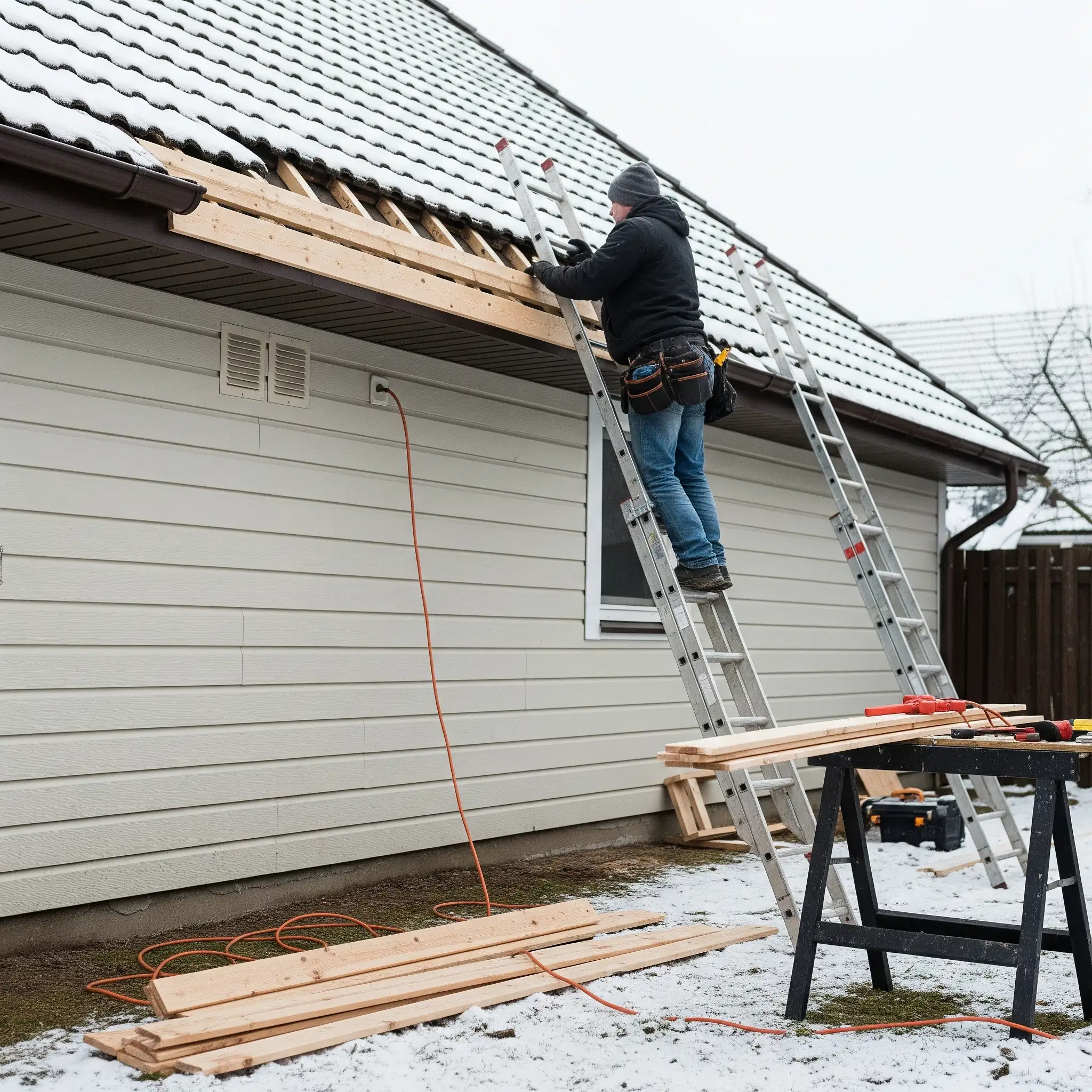
What to Do If You Already Have an Ice Dam
If you already see a formidable wall of ice along your roofline, it's important to act carefully. Trying to chip or break the ice away with force can easily damage your shingles and gutters, leading to an even more expensive roofing repair. Likewise, using rock salt or chemical de-icers can corrode your gutters and nails and harm your landscaping below.
A safe, temporary measure is to use a long-handled roof rake to carefully pull snow off the first few feet of your roof edge. Removing the snow (the fuel for the meltwater) can help stop the dam from growing larger.
However, for large, established ice dams, the safest and most effective solution is to call a professional. Experienced roofers have specialized equipment, like commercial-grade steamers, that can melt the ice safely without causing any damage to your roof. This addresses the immediate threat of a leak while you plan for the long-term solutions.
Protect Your Home This Winter with David's Chain O'Lakes Roofing Corp.
Ice dams are more than just a winter nuisance; they are a clear warning sign that your home is losing heat and is at risk for significant water damage. The best defense is a proactive one. By ensuring your attic is properly insulated, ventilated, and sealed, you can keep your roof cold and prevent ice dams from ever forming.
Don't wait for water stains to appear on your ceiling. If you're concerned about your home's vulnerability to ice dams or have noticed them in past Lake County winters, contact the experts at David's Chain O'Lakes Roofing Corp. We can perform a thorough inspection and provide effective solutions, from Roofing Repairs and Roof Restorations to ensuring your Gutters are ready for the season. Contact us today to schedule a consultation and give yourself peace of mind before the snow flies in Waukegan.